Conduit and panel lead times are back to normal — here's what's still slow
Most commodity materials have caught up since the supply shocks of the early 2020s. A few specific items haven't, and they're the ones that stall a schedule.
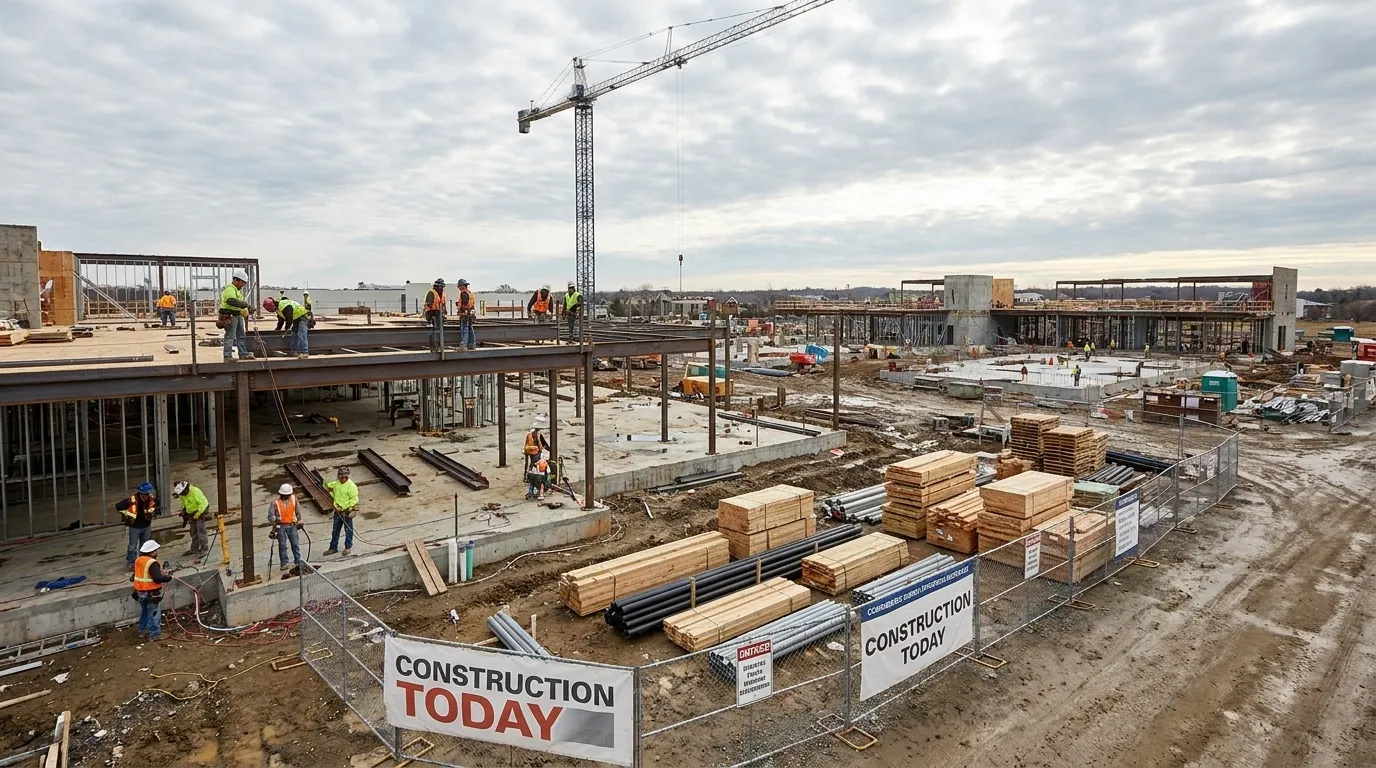
General materials availability for electrical contractors has largely normalized — standard conduit, boxes, and common wire gauges are back to pre-shortage lead times at most supply houses. The exception is a narrower band of specialized equipment where lead times remain stretched, and it’s worth knowing which items those are before they become the long pole on a schedule.
What’s still backed up
Large-frame circuit breakers, certain switchgear configurations, and medium-voltage transformers continue to carry lead times measured in months rather than weeks at many manufacturers — demand from data-center and utility-scale renewable projects has absorbed a large share of manufacturing capacity for this equipment class. Specialty items tied to EV-charging infrastructure (certain charger models, some load-management hardware) have similarly uneven availability depending on manufacturer.
How this changes job scheduling
For jobs that include any of the above, ordering at contract signing — not at the point in the schedule where the equipment would normally be installed — is the difference between equipment arriving on time and a finished rough-in sitting idle waiting on a panel. Some contractors are now writing equipment order dates into their own internal project schedule as a tracked milestone, separate from the installation date, specifically because the gap between the two has gotten long enough to matter.
What to tell clients up front
Setting expectations on long-lead equipment during the proposal stage — rather than after the contract is signed — avoids the conversation where a client assumes “ordered” means “arriving next week.” A specific order date and expected delivery window in the proposal, sourced from the actual manufacturer quote rather than a general estimate, holds up better when a client asks why a job is waiting on hardware.
Bottom line: most of the supply chain is fine. The few items that aren’t are large enough line items that getting their lead time wrong is what actually slips a schedule.