Why a working-capital line beats waiting on GC draws
Slow draw schedules on commercial jobs are a financing problem disguised as a payment-terms problem.
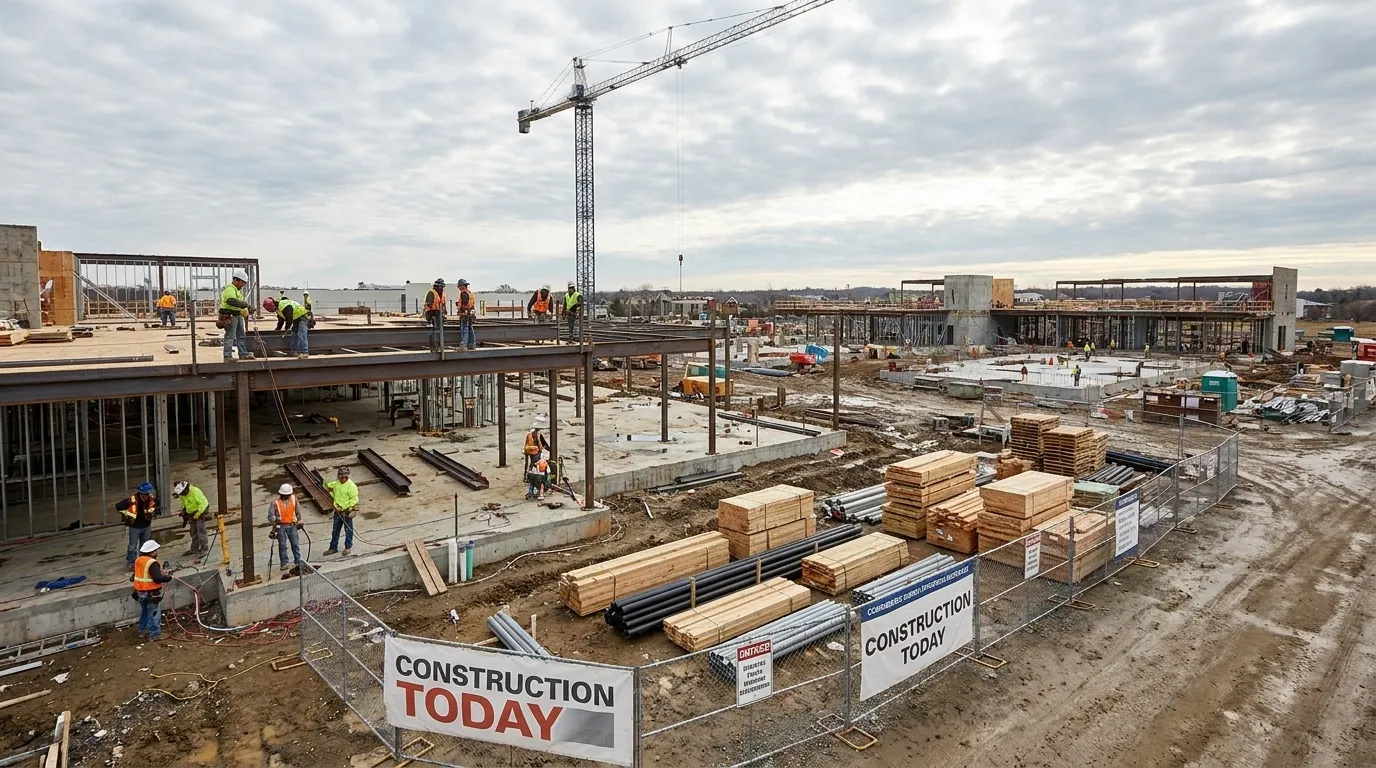
Commercial electrical subcontractors routinely front materials and labor for weeks before a draw clears — standard 30, 60, or even 90-day payment terms from a GC are common on larger jobs, and retainage holds back another 5–10% until close to project completion. That gap is where otherwise-profitable contractors run into a cash crunch that has nothing to do with whether the job itself is profitable.
The math that actually matters
A job can be profitable on paper and still create a cash problem if payroll and material costs come due before the draw that covers them arrives. Sizing a working-capital line to cover one to two draw cycles’ worth of labor and materials — rather than reacting to a cash shortfall after it happens — turns a recurring scramble into a predictable, manageable cost (the line’s interest) instead of an existential one.
Why a line beats factoring for most contractors here
Invoice factoring solves the same cash-timing problem but at a higher ongoing cost, and it puts the factor between the contractor and the GC’s payment process, which some GCs view unfavorably on future bids. A revolving line of credit, used specifically to bridge draw timing rather than to fund losses, is typically the lower-cost option for contractors with otherwise healthy receivables — factoring tends to make more sense for contractors with credit history that doesn’t qualify for a line at a reasonable rate.
Sizing the line correctly
Undersizing the line defeats the purpose — a line that covers half a draw cycle still leaves a gap. Most contractors doing recurring commercial work find one and a half to two draw cycles’ worth of labor and material cost is the right target, adjusted up if the GC relationship has a history of slow payment.
Bottom line: retainage and draw schedules aren’t going away — sizing a working-capital line around your actual draw cycle turns a structural cash-timing problem into a fixed, budgetable cost.